Emotional Sobriety in Practice
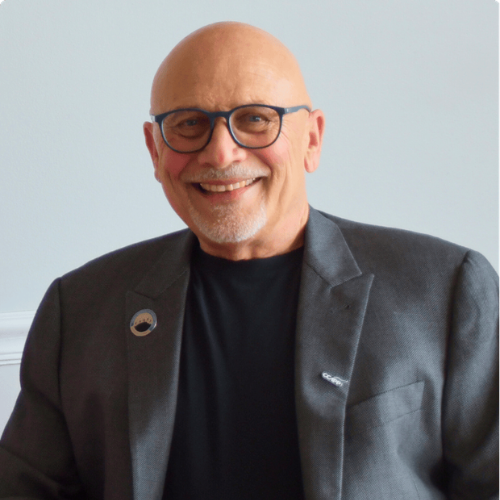
With Dr. Allen Berger
Recovery can begin with breaking the hold of an addiction. But what happens when we are no longer using and still find ourselves deeply affected by other people, disappointment, expectations, shame, or the way life unfolds?
In this workshop, Dr. Allen Berger explores what he describes as the next part of the work: becoming more aware of the patterns that continue to shape how we respond to ourselves, our relationships, and life.
Allen looks at emotional dependency, the belief that we can only be okay when people or circumstances go the way we hoped. When they don’t, we may become angry, withdraw, take things personally, try to control what is happening, or find ourselves fighting with reality.
The workshop asks what becomes possible when we begin bringing some of that attention back to ourselves.
Along the way, Allen explores the movement from relying on our environment for our emotional center toward developing greater self-support. Through examples from everyday life, he looks at how easily we can learn to look outside ourselves to know how we are doing, and what it means to begin developing a stronger sense of our own emotional center.
There is also a practical side to the workshop. Allen guides several sentence-completion exercises around struggles, shame, the idealized self, and relationships. He looks at the difference between should and want, and what it means to stay connected to another person without losing ourselves in the relationship.
The final part introduces what Allen calls the turnaround: noticing what we are waiting for another person to give us, and asking what it might look like to begin bringing some of that toward ourselves.
How the workshop is set up
The workshop is divided into six parts, each focused on a different piece of emotional sobriety. Under each video you’ll find the key ideas from that section, along with exercises, questions, and reflection prompts where they are useful.
You can watch the workshop from beginning to end, or return later to one idea or exercise without having to search through the full recording.
This workshop is for education and reflection and is not a substitute for therapy or professional care. Move through it at your own pace, and pause whenever you want more time with an exercise or reflection.