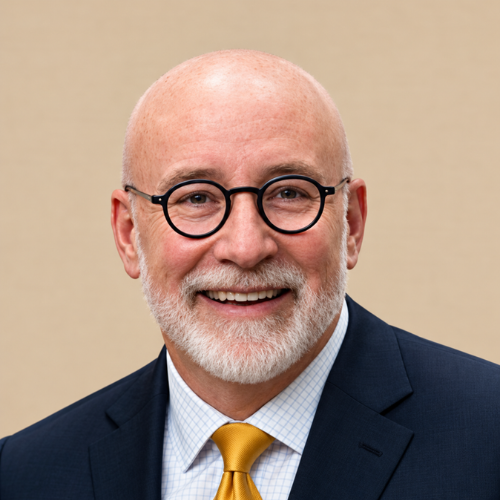
When Did Love Become Codependency?
Moving beyond shame, blame, and the idea that we can love too much
With Dr. Rob Weiss LCSW, CSAT
About 90 minutes of teaching in three parts, followed by questions and answers
When someone we love is caught in addiction, we do what we can. We worry. We check. We cover for them and hold the house together. And at some point, someone tells us we're part of the problem.
For decades, partners and family members have been handed the word codependent. Dr. Rob Weiss wrote his doctoral dissertation on codependency, and he came away questioning it. He calls his alternative prodependence.
In this recorded workshop, Dr. Rob looks at where the codependency model came from, why it so often leaves loved ones feeling blamed, and what changes when we see their care as a response to crisis rather than a disorder. He also talks about boundaries, staying and leaving, why we can keep loving someone who has hurt us, and what intimacy actually asks of us.
Who Dr. Rob is speaking to
Dr. Rob speaks mostly to partners and family members of someone in active addiction, and many of his examples come from his work with sex addiction. He's clear that the same ideas apply to any addiction and to people of any gender.
Same behavior, different lens
One part of the workshop takes the language of codependency and turns it over.